
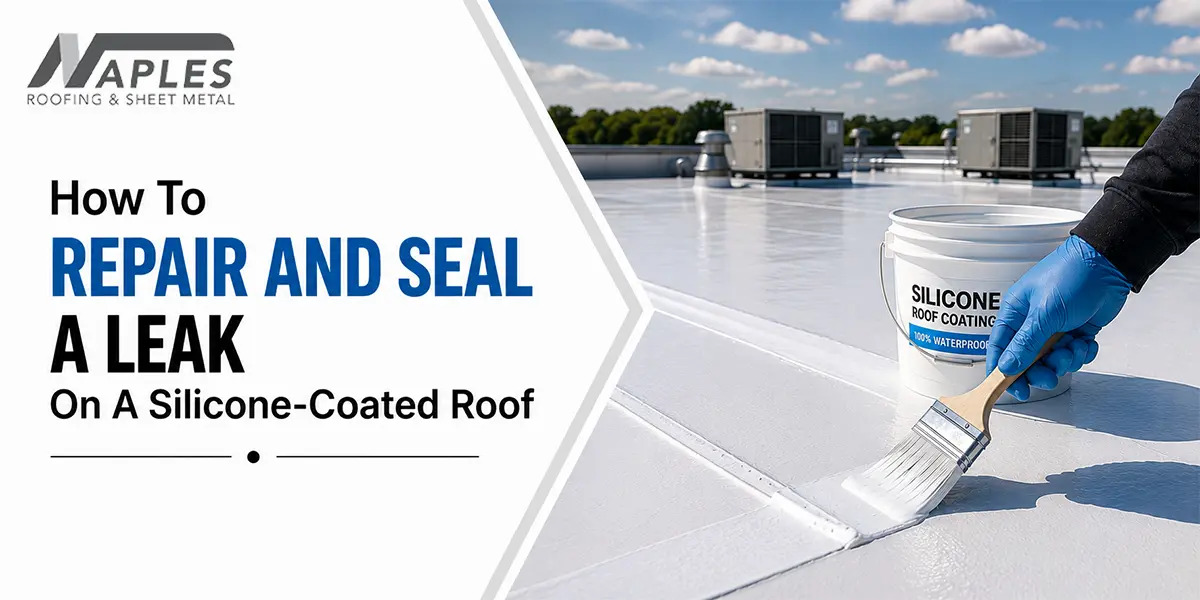
How To Repair And Seal A Leak On A Silicone Coated Roof
Standing on a commercial building after a persistent rain looking down at a saturated ceiling tile usually points to standard moisture migration. Water on a flat deck moves sideways under seams long before it trickles down inside. A silicone coated roof offers remarkable protection against standing water but when physical damage occurs tracking down the actual breach takes patience. Property managers often consult professional roof coating services in Buffalo when local leaks spread across wide deck areas. Most building owners assume recoating the whole deck fixes everything instantly. The reality is simpler: patch the exact failure point cleanly or watch the same seam open up next spring.
Industry Benchmark & Field Data: According to ASTM D6694 standards and roofing field surveys silicone membranes offer over 85% solar reflectance and resist continuous ponding water. However mechanical tears and improper surface preparation account for nearly 90% of premature localized leaks on elastomeric restoration coatings.
Finding The Hidden Split On A Silicone Coated Roof Before Sealing
Finding moisture breaches on high reflectivity elastomeric surfaces turns out to be trickier than most building managers expect. Bright white coatings reflect intense sunlight washing out small cracks and subtle punctures that develop over heavy freeze thaw cycles. Water wanders along subterranean insulation gaps dripping yards away from where the seam actually split open. Walking the deck after sunrise helps as lingering morning dew evaporates differently over wet insulation beneath the top layer. Pressing a thumb firmly along suspicious visual seams reveals spongy spots underneath. Ignoring these early warning signs lets trapped moisture degrade the structural deck slowly over winter.
Surface Prep Dictates Whether Patch Materials Bond To A Silicone Coated Roof
Dirt oil and atmospheric dust accumulate continuously on flat commercial roofs. That creates a thin barrier that ruins chemical adhesion. Wiping down the damaged area with a stiff bristle brush and solvent based cleaner is essential before applying any fresh sealant. Water based soaps frequently leave behind invisible films that prevent high solids silicone from bonding cleanly. The original cured membrane requires physical abrading with a medium grit scouring pad to create sufficient surface profile. We routinely remind our maintenance crews that skipping this manual scrubbing step guarantees the patch peels off within months. Applying fresh material over dirt simply creates a loose skin rather than a permanent seal.
Selecting Compatible Patching Materials For Long Term Water Resistance
Acrylic caulk or asphalt mastic will never bond to existing cured silicone layers. Organic chemistry prevents acrylics from adhering to inorganic silicone polymers leading to immediate delamination when temperature shifts occur. High solids with 100% silicone repair mastics reinforced with spun bonded polyester fabric represent the industry standard for localized repairs. The patching compound must mirror the flexibility and thermal expansion coefficients of the base substrate to endure extreme weather swings. Using incorrect petroleum based products physically degrades the coating turning a small puncture into a massive chemical mess across the deck.
Executing Localized Repairs On A Damaged Silicone Coated Roof
Executing a reliable patch involves layering materials carefully rather than dumping sealant onto an open hole. A proper three ply application extends three inches beyond all edges of the damage distributing stress evenly across the membrane during expansion. Spread an initial three sixteenths inch layer of silicone mastic over the clean puncture with a flat trowel. Embedding a saturated polyester mesh fabric directly into this wet compound provides crucial tensile strength against roof movement. Lay down a final topcoat of silicone mastic to cap the fabric completely smoothing the edges flat so ponding water glides over without lifting the perimeter.
Managing Ponding Water Zones Around A Silicone Coated Roof Drain
Low spots surrounding low slope roof drains experience continuous hydrostatic pressure throughout wet seasons. While silicone resists degradation from standing water better than urethane or acrylic heavy debris accumulation accelerates physical wear around drain rings. Clearing leaves gravel and silt allows proper drainage and prevents mechanical scraping from trapped debris during freeze cycles. Flashing details near metal drain collars require inspection every autumn because differential thermal movement between steel and silicone stresses the bond line continuously over time.
Evaluating Commercial Roof Coating Buffalo Ny Options For Severe Degradation
Small tears require simple hand tool repairs but widespread membrane blistering or extensive under deck saturation demands specialized equipment and thermal imaging. Over years of commercial building maintenance we frequently see property owners struggle with recurring leaks caused by underlying wet insulation that DIY patches cannot resolve. Evaluating commercial roof coating buffalo ny solutions provides access to heavy duty power washing infrared moisture surveys and seamless spray applications needed to restore full structural integrity across thousands of square feet. Recognizing when a roof needs full restoration versus minor touch ups saves tens of thousands in unnecessary structural tear offs.
Our team at Naples Roofing brings decades of field experience. We have verified client testimonials and proven commercial projects to ensure long term weatherproofing performance across complex industrial facilities.
Preventing Recurring Seam Failures On A Silicone Coated Roof
Preventative care reduces emergency service calls significantly over the twenty year lifespan of a commercial restoration coating. Setting up bi annual walk throughs during spring and autumn catches minor scuffs before water infiltrates the insulation board underneath. Foot traffic around rooftop HVAC units causes a majority of avoidable membrane punctures. That makes rubber walkway pads essential near service panels. Keeping heavy equipment tools off raw coating surfaces prevents sharp drops from penetrating the elastomeric shell. Simple habits save facility budgets from large scale interior water damage costs down the line.
Understanding Long Term Performance Metrics Of A Silicone-Coated Roof
Silicone coatings maintain structural elasticity across broad temperature swings resisting ultraviolet radiation without chalking or cracking like traditional asphalt. Test data demonstrates that high quality silicone retains over 80% of its initial tensile strength after a decade of direct weather exposure. However mechanical resistance remains its main weakness as sharp object impacts can puncture thin coats easily. Adding localized reinforcement fabric around high wear zones offsets this physical limitation ensuring the building stays dry through harsh seasons.
Reflecting On Proper Maintenance Strategies For A Silicone Coated Roof
Looking back at decades of commercial maintenance resolving roof leaks comes down to respecting material compatibility and thorough surface preparation. A quick coat of paint over a dirty tear never holds up against severe weather cycles. Partnering with a licensed roof coating contractor ensures periodic thermal inspections and proper mastic selection keep buildings dry while extending total coating life by decades. Having witnessed countless temporary fixes fail prematurely by taking a methodical approach to sealing a Silicone coated roof remains the most cost effective solution for any long term facility strategy.