- By admin
- TPO Roofing Services
- 0 Comment
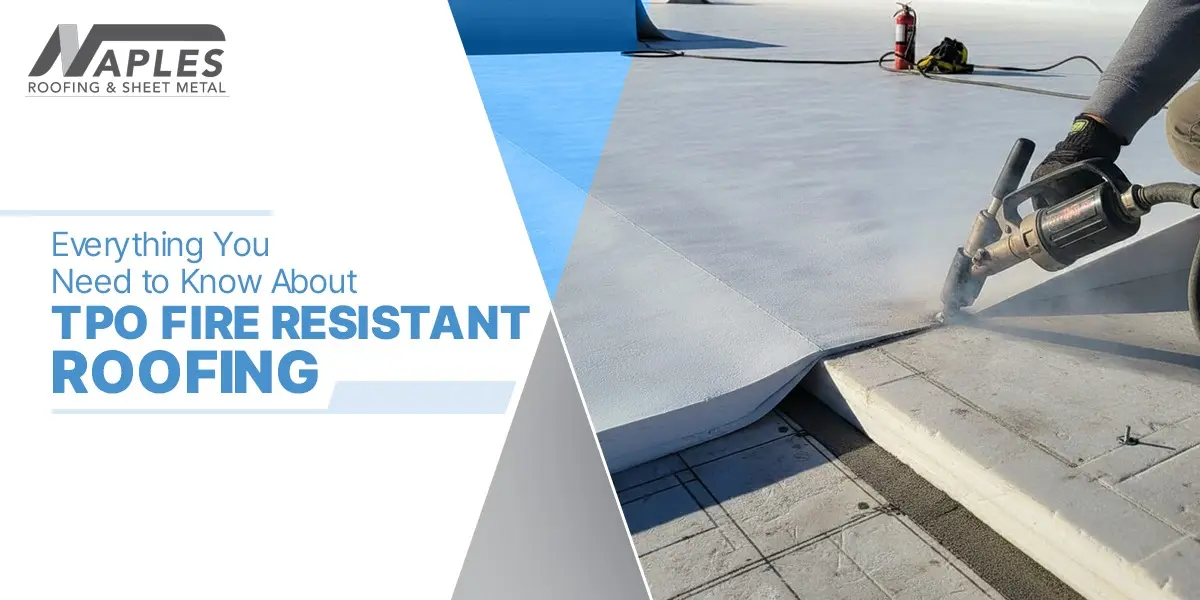
Everything You Need to Know About TPO Fire Resistant Roofing
When you think about your roof, you probably think about rain, heat, or maybe storms. Fire safety does not always come first. But it should. Especially in a place like Buffalo, where commercial buildings face strong sun, dry seasons, and changing weather. That is where fire resistant roofing becomes important. And one option that keeps coming up in conversations is TPO roofing.
If you are curious about TPO, how it works, what it costs, and whether it is right for your property, you are in the right place. Let us talk about it.
Understanding TPO Fire Resistant Roofing & Roofing Thickness
Not all TPO roofs are the same. One key factor is TPO roofing thickness. TPO membranes usually come in different thickness options, such as 45 mil, 60 mil and 80 mil. ‘Mil’ refers to thickness. “Mil” stands for thickness. The membrane is thicker the higher the number.
Here is how thickness affects your roof:
- Thicker TPO offers better puncture resistance
- It lasts longer under strong sun and foot traffic
- It can improve overall fire performance
- It usually costs more upfront
Note: In Buffalo, many roofing professionals recommend at least 60 mil for a good balance between cost and durability.
Why Fire Resistant Roofing Matters More Than You Think
Fire safety is not just about wildfires. Electrical issues, nearby construction, lightning, or even debris on the roof can create risks. A roof that slows down or resists fire can make a real difference. Fire resistant roofing helps by slowing the spread of flames, reducing damage to the structure, giving people more time to react and meeting local building and safety codes. Under hot skies, roofs in Buffalo face tough conditions. Picking what covers a house becomes key when sunlight never quits. Safety rules add pressure on every decision made.
It makes sense to think ahead before deciding. What works today might fail tomorrow if overlooked.
What Is TPO Roofing?
TPO stands for Thermoplastic Polyolefin. It sounds technical, but the idea is simple. TPO roofing is a single layer roofing system, mostly used on flat or low slope roofs. You often see it on commercial buildings, but many property owners use it too.
It is known for being lightweight, durable, energy efficient and resistant to heat and fire. The surface is usually white or light colored. This helps reflect sunlight and keep buildings cooler, which is a big plus in Florida.
How TPO Roofing Supports Fire Resistant Roofing Goals
One of the main reasons people choose TPO is fire safety. TPO membranes are designed to meet fire resistance standards. When installed correctly, they can achieve Class A fire ratings, which is the highest level for roofing materials.
This means:
- The material resists flame spread
- It limits how fire travels across the roof
- It helps protect the structure underneath
For property owners looking for reliable fire-resistant roofing, TPO is often a solid choice.
The Role of TPO Underlayment in Fire Safety
People often focus only on the top layer. But what sits underneath matters too. The underneath of TPO is the layer placed between the roof deck and the TPO membrane. It adds protection, insulation, and stability.
A good underlayment helps by:
- Improving fire resistance
- Adding moisture protection
- Supporting better installation
- Increasing the roof’s lifespan
When underlayment is chosen carefully and installed well, it supports the fire resistant roofing system as a whole.
TPO Roofing Cost: What Should You Expect?
Let us talk money. Because cost always matters. TPO Roofing Cost can vary depending on several factors, including:
- Roof size
- TPO thickness of roofing
- Type of underlayment made with TPO
- Labor and installation quality
- Local material pricing in Buffalo
Most times, TPO roofs don’t cost much when lined up against other types used on businesses. Instead of PVC, they come with a lighter price tag while handling hot weather more reliably than outdated choices. Thicker materials might cost more at first yet better underlayment usually means less fixing later on. A small upfront jump can lead to years of quiet reliability underneath everything.
Energy Efficiency: A Quiet Bonus of TPO Roofing
Fire resistance is important. But TPO gives you more than that because of its reflective surface. TPO roofing helps reduce heat absorption. It is one of those quiet benefits you notice over time. You may not think about it daily, but your energy bills will. This keeps buildings cooler, especially during Buffalo summers. Benefits include:
- Lower cooling costs
- Reduced strain on HVAC systems
- More comfortable indoor temperatures
Is TPO Roofing Right for Buffalo Properties?
Buffalo has its own challenges. Strong sun. Heavy rain. Occasional storms. A roof here needs to handle all of that. Both commercial property owners and property owners with modern roof designs often choose TPO for these reasons. TPO roofing works well in this environment because:
- It handles UV exposure well
- It resists moisture and mould.
- It supports fire-resistant roofing needs
- It performs well on flat and low-slope roofs
Installation Quality Makes All the Difference
Here is something people do not always hear enough. Even the best roofing material can fail if installed poorly. TPO roofing needs proper heat welding, secure seams, and correct placement of underlayment. Fire resistance depends on correct installation just as much as material quality.
That is why working with experienced Buffalo roofing professionals matters. They understand local codes, climate needs, and proper techniques.
Maintenance Tips to Keep Your TPO Roof Strong
TPO roofing does not ask for much. Regular maintenance helps preserve fire-resistant roofing performance and extends the life of the roof. But a little care goes a long way. Simple tips include:
- Schedule regular roof inspections
- Keep debris off the roof
- Check seams and edges after storms
- Fix small issues early
Common Myths About TPO Roofing
You may hear a few doubts. Let us clear them up. Some people think TPO is weak. It is not when installed correctly. Others think it is only for big buildings. Not true. Many commercial properties use it successfully and some worry about fire performance. Modern TPO membranes are tested and rated for fire resistance when paired with proper systems.
Choosing fire resistant roofing is not about fear. It is about planning. It protects your property and people and eventually supports insurance and safety standards. TPO roofing offers a practical way to meet these goals without overcomplicating things.
Final Thoughts
Fires resist better when roofs use TPO materials there. Buildings today in Buffalo find it works well. Fire won’t spread easily through it. Power bills stay lower yet it still holds up when tested. With enough depth, solid base layers additionally skilled hands putting it together. What you get is shelter that lasts without surprise.
Facing a fresh roof or swapping out an ageing one. TPO might just catch your eye. Day after day, it’s often the quiet things doing the heavy lifting without saying a word. What covers a house matters less than the hands that put it there. Those doing the work shape how well everything holds up.
Roofers in Buffalo know what storms can do, how rules shape construction, and what keeps workers safe. Picking materials? They guide decisions on how thick the roof should be and which TPO underlayment to use. Their advice lines up with both cost limits and long-term plans.
What stands out is their attention to correct setup, clear advice, and remaining effective over time. If flame protection, lasting strength, and staying cosy are priorities, choosing a reliable neighbourhood roof crew changes everything.
FAQs
No. While its raw components are petroleum-based, TPO membranes are engineered with fire-retardant additives. Most systems achieve a Class A fire rating, the highest industry standard. This ensures the roof is self-extinguishing and resists flame spread. For maximum safety, it is typically installed over fire-resistant sub-layers to meet strict building codes.