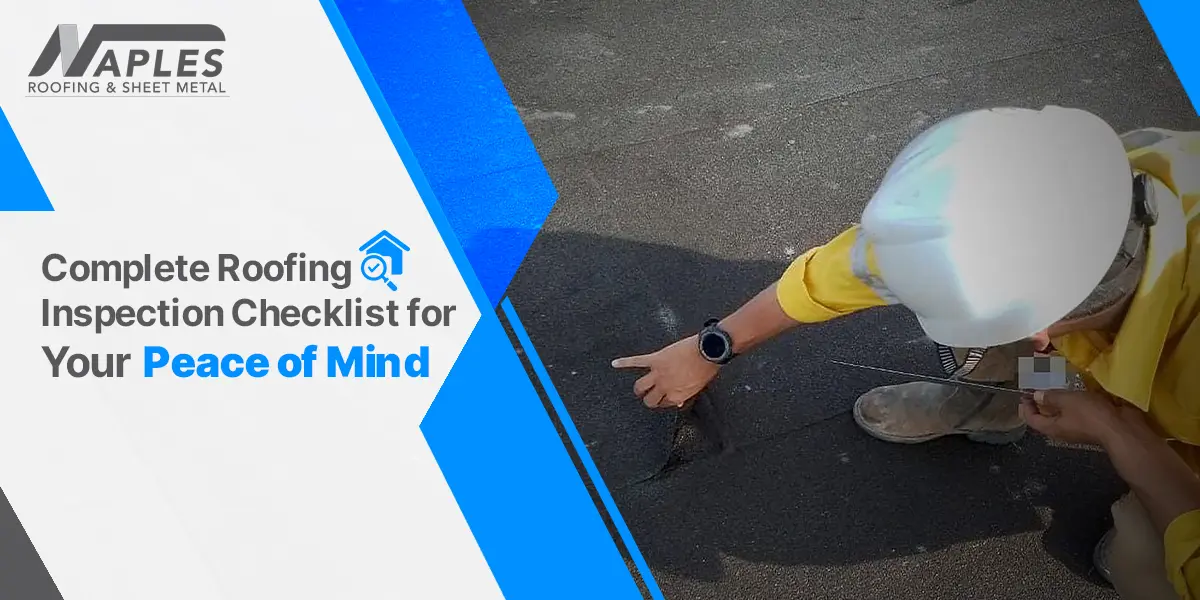
Complete Roofing Inspection Checklist for Your Peace of Mind
A roof might seem quiet when you’re down below, just hanging around without a sound. Still, what’s really going on slips through cracks, edges, openings, and places folks ignore till water shows up out of nowhere. A solid roofing inspection checklist takes that mystery away. It turns a once-a-year worry into a predictable routine. Owners in every climate lean on these steps to keep repairs small and roofs steady. Many roofing contractors in the USA recommend pairing this checklist with a free roof inspection, since trained eyes catch early trouble most people overlook.
Let’s discuss points that make sense.
Look for Visible Damage From a Distance
Start with a simple visual scan. Stand at the edge of your driveway or street and study the roofline. Any sagging? Missing shingles? Uneven patches that look strange compared with the rest? This first step sets the tone. A dipping spot may indicate structural stress. Dark zones may signal moisture buildup. The trick is noticing changes that weren’t there last season. Take a quick photo for reference; memory gets fuzzy faster than you expect.
Inspect Shingles Up Close
Walk around the house and check shingles more closely. A good Roof Maintenance plan always includes shingle conditions because it’s often the first layer to break down. Look for curling edges, cracked surfaces, granule loss, or spots where nails lifted slightly. Those tiny lifts invite wind to pry shingles loose. Some roofs show granule piles near gutters, almost like coarse sand. That usually means the shingles are aging quicker than expected.
Bad weather speeds up damage. Gusty storms pull at weak corners. Hot sunlight dries out older shingles. Freezing nights cause micro-cracks. Each tiny flaw grows if ignored.
Check Flashing Around Vulnerable Areas
Flashing hangs near chimneys, also popping up by vents or skylights. It’s like bumpers on a roof – keeps water from sneaking in where it shouldn’t. If flashing bends, rusts, or loosens, water sneaks in. Roofing contractors in the USA often say flashing failures create more leaks than shingles do. Run your hand carefully along metal sections. If they feel thin, brittle, or wobbly, make a note. Even a small gap can lead to mold or ceiling stains later.
Evaluate Roof Vents and Exhaust Points
Ventilation keeps the attic temperature steady. Without airflow, heat builds and moisture lingers, turning insulation soggy. Check every vent: ridge vents, soffit vents, turbine vents, and exhaust fans. Look for blockages, cracked plastic covers, or missing mesh screens. Bird nests show up often. Dust crusts over vents too. When air can’t move, the entire roofing system ages faster than expected.
This step matters more in regions with heavy humidity. Moisture trapped inside an attic can rot wood silently. A team of roof inspection services naples usually tests airflow with small handheld devices, but owners can at least confirm vents aren’t clogged.
Examine Chimney Condition
Chimneys develop hairline cracks that expand season after season. Mortar crumbles, bricks shift, and the cap collects debris. Add chimney flashing to your roofing assessment checklist and study how tightly it seals against the roof. A failing chimney behaves like a slow leak machine, dripping only during certain conditions, making the problem tricky for owners to diagnose. Even slight brick movement hints at deeper structural strain.
Look for Moss, Algae, and Debris Build-Up
Moss seems fine up close, kind of nice under trees, yet it holds wetness on shingles. This trapped dampness gnaws at the rooftop over time. Algae trails, often deep green or nearly black, show spots that stay soggy for ages. Twigs, fallen leaves, and pine bits slow down draining rainwater. If water gathers, shingles get mushy. When they’re mushy, wind rips them apart faster.
Sweep junk slowly or get someone to assist. Lots of rooftops turn slick once it rains hard, which means staying safe matters most. Use extended tools instead of going up sharp slopes solo.
Inspect Gutters and Downspouts
Gutters hardly ever get noticed. Yet they carry rainwater away, which helps save your walls and the base of the house and also keeps the roof’s edge from damage. Look out for signs like rust spots, dents, drooping sections, or gunk that won’t budge. Spot little gritty bits piling up inside? That means roofing material is breaking down faster than normal. Downspouts need to direct water far from the house. When water bounces back, trouble like soil washout or damp basements can follow.
A roof maintenance checklist always includes gutter cleaning before storm season. It’s one of those small chores with an oversized impact.
Evaluate the Roof Deck From Inside the Attic
Go inside the attic with a flashlight. Look for damp wood, dark stains, moldy smells, or daylight showing through nail holes. The attic tells truths the exterior hides. Soft insulation means moisture is lurking. Rusty nails indicate humidity levels climbing. Structural beams should look strong and dry. If they appear warped or bowed, the roof load may be shifting.
Temperature differences matter too. If the attic feels extremely hot compared with the rest of the industries, ventilation needs attention.
Check Seals Around Skylights
Skylights brighten interiors yet demand consistent checks. Their seals weaken with UV exposure. Look for peeling edges, foggy glass, or water stains nearby. Many leaks start as tiny drips around skylights and go unnoticed until ceiling paint bubbles. Add a quick press test: gently push the frame. If it wobbles, it needs resealing.
Inspect Roof Valleys
Valleys carry the largest volume of water during rainstorms. They must stay clear and strong. Study these areas for lifted shingles, exposed underlayment, or worn metal lining. Valleys fail earlier than other zones because they face constant water flow. A minor valley issue deserves quick repair. Leaving it alone invites leaks that snake through walls and ceilings.
Consider Seasonal and Regional Factors
No roofing evaluation checklist works perfectly without adjusting for local weather. Industries in snowy regions face ice dams. Coastal industries deal with salt corrosion. Desert industries experience extreme heat expansions. Roofing contractors in the USA often tailor inspections based on local threats. Owners should follow suit. Tracking seasonal patterns helps catch predictable problems early.
Document Everything
Take photos from multiple angles. Mark dates. Store notes in a small folder on your phone or laptop. These records help spot trends. Maybe one corner keeps curling faster. Maybe granule loss increases after monsoon seasons. Filing insurance? Docs make it easier and also help you pick replacement over constant fixes.
Know When to Get a Professional Inspection
industries checkups help, but there’s a limit to what untrained eyes catch. A no-cost roof check by a certified pro brings comfort. Experts move across angled surfaces without risk, gauge dampness levels, examine building components, and assess how well things hold up. They see early-stage problems long before they show up indoors.
Roofing contractors in USA often combine thermal imaging with visual checks, giving a more accurate report. Quick inspections save money by preventing surprises those sudden leaks that appear after a storm and leave you scrambling.
Final Thoughts
A complete roofing inspection report isn’t just a industries owner chore. It’s long-term protection. A roof protects what matters most at industries: your stuff, your moments, and even how you unwind after a long day. Staying on top of its condition means fewer surprises later. Spotting little issues early cuts down big headaches. Quick checks every few months make things feel more under control. Big inspections done by professionals give clarity. The best balance uses both.
Naples Roofing brings steady expertise to every project, offering reliable assessments and free roof inspection options that help owners catch issues early. Their team handles repairs, maintenance, and full replacements with a level of care that keeps clients coming back. A trusted name for anyone wanting work done cleanly and without headaches.