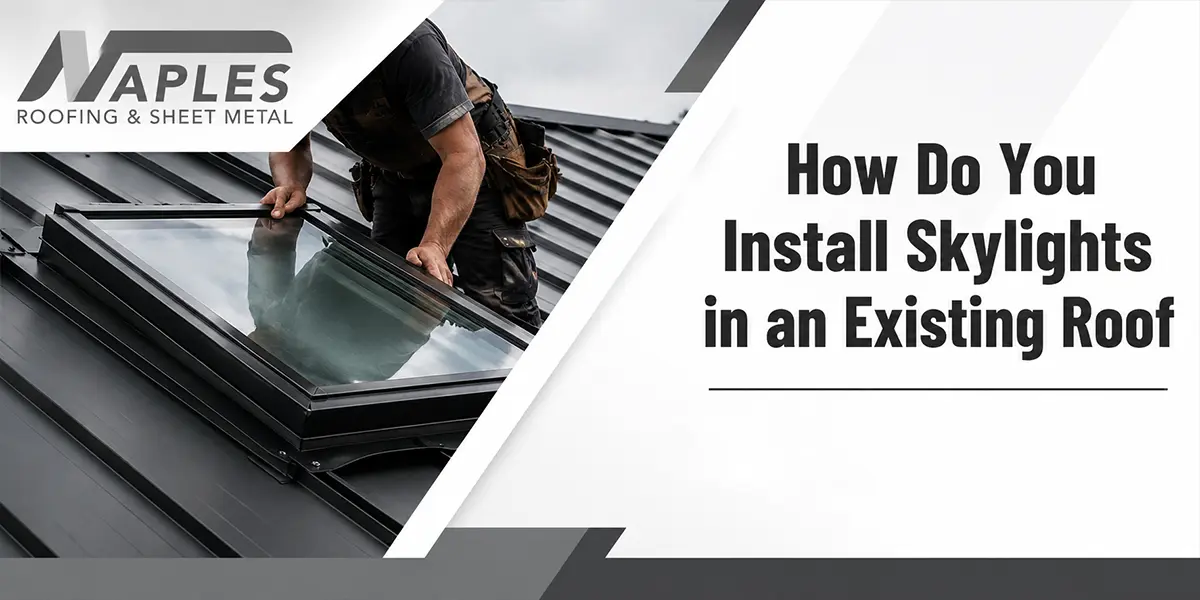
How Do You Install Skylights in an Existing Roof
Every time a sustained rainstorm hits, Property owners who tried to tackle a major Property upgrade themselves start watching their ceilings with a certain amount of dread. Adding natural light sounds like an easy weekend upgrade until you realize you are cutting a hole straight through your primary defense against the elements. Figuring out how to add a window to your existing roof without causing years of structural headaches takes more than basic tools.
Finding a reliable skylights roofing contractor usa makes a massive difference because a bad cutout can easily compromise the structural stability of your entire Property ceiling system.
Why An Existing Roof Demands A Very Different Approach Than New Construction
Adding a window to a finished roof is entirely different from building during new construction. You are working backward against existing drywall, settled insulation, and structural framing that has been under tension for years. Because of this settled state, random cuts are out of the question without first identifying exactly what structural elements are holding up your ceiling.
Modifying Structural Framing Without Sacrificing Stability
Commercial roofs rely on common rafters or engineered trusses to support structural weight. You can cut a standard rafter. However, you must double up the surrounding wood beams. This safely distributes the structural load. Engineered trusses are different. They are highly sensitive systems.
Hence cutting or notching a truss without an engineer’s approval can cause the roof structure to sag over time. That can lead to severe and costly structural damage.
Navigating Attic Obstacles and Concealed Utility Lines in Existing Roof
Before cutting from the outside, you must map out what is hidden inside the ceiling envelope from the attic. Electrical wires, HVAC ductwork, and plumbing vents often run directly through planned skylight paths.
While rerouting a circuit or a PVC pipe adds labor steps, leaving them in place or cutting blindly can trigger immediate household emergencies.
The Actual Phase Steps For Installing A Skylight in Existing Roof
Property owners looking for a professional skylight installation buffalo ny often run into issues when contractors try to apply generic sunbelt methods to northern climates. Regions with high snow loads require heavy-duty curb mounts and thicker step flashing to withstand ice accumulation.
Thus working with local specialists ensures your installation is designed for your specific regional climate challenges.
Phase One: Marking and Interior Preparation
Locate the framing members from inside the attic space and drive indicator screws through the roof deck to establish the exact layout corners from the inside out.
Phase Two: Exterior Cutout and Deck Removal
Remove the layers of asphalt shingles around the target location. Then use a circular saw to cut away the plywood roof deck along the indicator marks.
Phase Three: Framing the Opening Header
Install structural header boards at the top and bottom of the opening. As tying them securely into the uncut rafters to re-establish proper load distribution.
Phase Four: Mounting and Flashing Integration
Secure the window unit over the opening. Thus after that interleave the specialized metal flashing tin pieces with the existing shingles to shed rainwater away from the frame joints.
Managing Moisture Control On An Existing Roof Slope
The long-term success of an aftermarket glass cutout relies heavily on how well the surrounding area handles water runoff during major storms. Water will always find the path of least resistance, and an elevated frame sticking out of a sloped surface creates a natural obstacle for water coming down from the ridge.
The Role of Membrane Underlayments and Step Flashing Systems
According to national building studies, over 70% of premature skylight leaks are caused by faulty flashing rather than manufacturing defects. A proper install requires pulling back shingles 12 inches to lay a self-adhering water barrier directly on the bare wood, then weaving metal steps flashing into each shingle layer to divert water safely down the existing roof surface.
Selecting the Right Glazing Options for True Energy Efficiency
Your glass selection directly impacts your energy bills. The U.S. Department of Energy reports that standard single-pane windows lose up to 35% more winter heat than modern, low-emissivity (low-E) coated units. Upgrading to double-paned glass filled with argon gas minimizes this thermal transfer, keeping your property cooler in summer and preventing winter ice dams.
At Naples Roofing, we see firsthand how easily overlooked details turn DIY attempts into emergency restoration calls. Our crews have spent decades managing these structural challenges across diverse property styles. Whether handling complex structural framing or direct retrofits, we focus entirely on maintaining your Property’s protective envelope, ensuring complex openings remain completely weatherproof.
Critical Installation Factors to Consider
| Installation Factor | Standard Rafter Roof | Manufactured Truss System |
| Framing Flexibility | High; rafters can be cut if headers are added | Extremely low; structural chords cannot be cut safely |
| Maximum Width | Can span multiple bays with proper header support | Limited to standard internal space without engineering |
| Water Management | Needs standard step flashing and woven membranes | Requires specialized sill flashings for complex slopes |
Final Interior Finishing and Structural Air Sealing
Once the exterior unit is secure and watertight, the interior drywall tunnel needs proper insulation to prevent condensation from damaging your Property. A poorly insulated light shaft acts like a chimney. It draws warm, humid interior air up against the cold glass surfaces. Over time, this trapped moisture can easily lead to mold growth behind your drywall.
Framing the Light Shaft for Maximum Light Distribution
The shape of the interior drywall tunnel determines how well natural light spreads through your living space. A straight vertical shaft concentrates light in one small spot. A flared shaft expands the light across the whole room. Flaring requires cutting the interior ceiling drywall back further than the exterior roof hole. This demands careful framing alterations inside the attic.
Preventing Drafts and Trapped Condensation
Tight fiberglass batts or expanding spray foam insulation seals the rough frame perfectly. This barrier stops warm, humid indoor air from escaping into your attic. Skipping this step usually backfires. Condensation forms on the cold metal frame and drips down onto your drywall. Property owners often mistake these mysterious stains for structural roof leaks when it is really just trapped moisture.
Final Thoughts
Choosing high-quality architectural glass can transform a dark room into a bright space, but the process requires careful planning. If you want to avoid future repair expenses, hiring certified skylight installation services is the safest way to protect your property investment. A professional installation gives you all the benefits of beautiful natural light without risking structural damage or water leaks down the road.
The service portfolio of Naples Roofing covers these regional weather realities through precision craftsmanship. Our long-term client list includes multi-family properties and commercial estates that count on us for flawless water management. As well as field teams handle every phase of the project, from the initial structural analysis to the final trim work. We ensure your new layout looks perfect from the inside while remaining completely impervious to heavy rain and snow outside.