
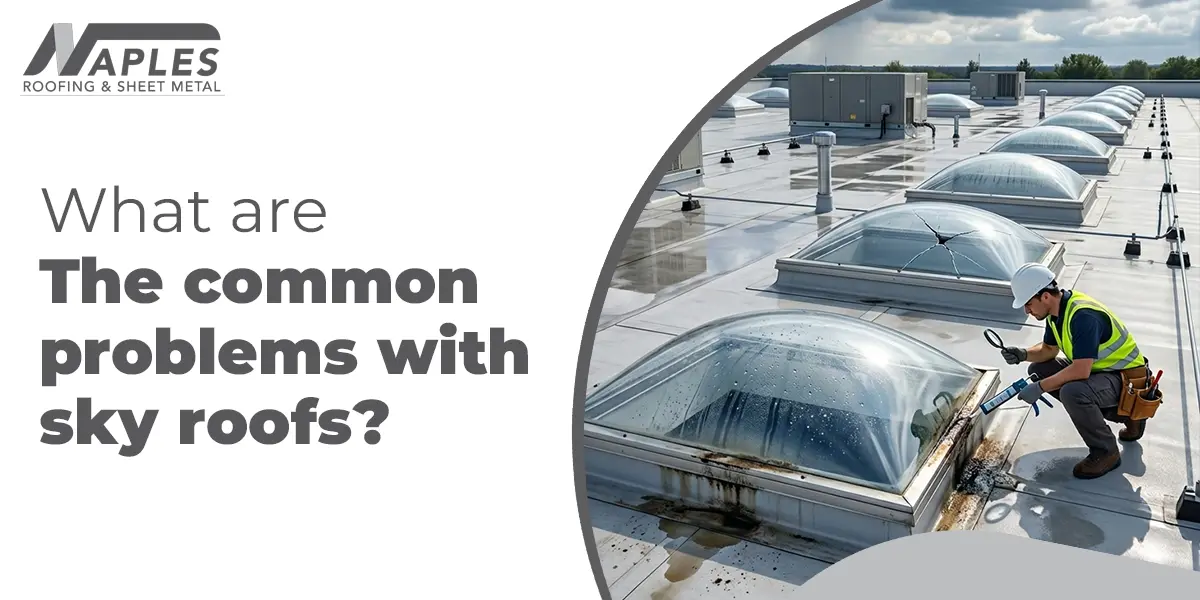
What Are The Common Problems With Sky Roofs?
Looking up at an open sky from your living room sounds great until a dark stain starts spreading across your drywall after a heavy afternoon downpour. Over years of working around building envelopes, you notice that people rarely hate their skylights when the weather is beautiful, but the moment a seasonal storm hits, the frustration becomes real. Adding overhead glass completely changes how a property handles structural movement, shifting temperatures, and heavy water runoff. If you are noticing persistent dampness or unusual drafts, understanding the common problems with these architectural features is the first step toward keeping your place dry and comfortable with skylight installation services.
The Structural Realities Behind Common Problems
When you cut a hole in a perfectly good roof to let the daylight in; you are naturally introducing potential points of failure. The most common problems do not usually stem from bad glass manufacturing, but rather from how that independent frame interacts with your existing shingles and decking over time.
According to industry field reports from property inspectors, up to 99% of recurring overhead window issues trace back to minor installation shortcuts or mismatched materials rather than material failure itself. A roof is constantly expanding and contracting with temperature changes, and if the flashing cannot flex with that movement, things start separating.
-
Water tracking along the internal shaft
When moisture finds a way past the top barrier, it rarely drops straight down. It tends to travel horizontally along the internal framing or drywall casing, making the actual entry point incredibly tricky to pin down. By the time a visible water stain shows up in a ceiling corner, the true physical leak might be sitting several feet higher up the roof slope.
-
Hardened seals and UV degradation
Rubber gaskets and factory sealants take a brutal beating from direct sunlight day after day. After a decade of exposure, those flexible seals lose their essential plasticizers, becoming brittle, shrinking, and developing micro-cracks that draw in wind-driven rain through capillary action.
-
Debris dams blocking structural drainage
Leaves, twigs, and pine needles love to settle right behind the top metal flange of a raised curb. When this debris piles up, it acts like a tiny dam during heavy downpours, forcing water to pool backward underneath the shingles instead of shedding cleanly down the roof.
Why Water Management Fails Around Overhead Glass
The failure of standard flashing configurations
Standard metal flashing kits are supposed to weave seamlessly with your roofing material, but real-world roofs are rarely perfectly flat or predictable. If an installer relies too heavily on standard roofing cement or caulking tubes instead of proper mechanical step-flashing, that seal is on a strict countdown.
We see this exact issue play out every spring when shifting temperatures cause structural materials to move independently. For dependable long-term performance, choosing specialized skylight installation service will make a massive difference because specialized crews rely on multi-layered mechanical barriers rather than temporary adhesive pastes.
Condensation mistaken for structural leaking
Not every drip means your roof is failing, which is a confusing distinction for many property owners. Because glass chills down rapidly when outdoor temperatures plummet, warm and humid indoor air from kitchens or bathrooms hits that cold surface and turns straight into liquid water. If the built-in internal weep holes are clogged with dust or construction debris, that condensation has nowhere to go and drips onto your flooring, mimicking a true external roof leak.
Thermal expansion and regular material fatigue
| Material Component | Expected Lifespan | Common Failure Mode | Primary Impact |
| Acrylic Domes | 10-15 Years | UV yellowing and hail cracking | Brittle structural fracturing |
| Tempered Glass Seals | 15-20 Years | Inert gas loss and fogging | Drastic drop in R-value insulation |
| Step Flashing | 20+ Years | Mechanical separation or rust | Direct water tracking into drywall |
Addressing Structural Issues Before Complete Replacement
Catching these issues early keeps minor repairs from turning into mandatory drywall replacements. When a unit passes its fifteen-year mark, local weather patterns like heavy snow accumulation or severe summer hail dictate how gracefully the system ages.
Dealing with persistent seal failure
When an insulated glass unit loses its internal argon gas charge, moisture gets trapped forever between the two panes, creating a permanent, milky fog. You cannot simply wipe this away or patch it with silicone; once that internal perimeter seal fails, the thermal performance drops by nearly half, and replacing the glass sash becomes your only real fix.
Restoring damaged external flashing zones
If the glass pane is completely fine but the surrounding area is damp, stripping back the perimeter shingles to install an ice and water shield membrane often solves the issue. This creates a secondary self-healing barrier directly beneath the metal components to stop water even if a shingle tears away.
Upgrading to modern curb-designed frames
Older flush-mount designs sit entirely too close to the roof deck, making them highly vulnerable to water pooling. Modern installations elevate the entire glass frame on a wooden curb wrapper, lifting the vulnerable joint well above the standard drainage plain of the roof.
Selecting durable solutions for long-term protection
When dealing with tricky roof penetrations across different climates, finding a team that looks at the entire roofing system rather than just the window frame saves thousands in repeat repairs. This regional expertise matters immensely because a system that survives a dry climate will quickly fail under heavy winter snow loads. Working with established roofing tracking contractors usa helps ensure your room modifications are logged, monitored, and executed according to strict regional building codes.
Over years of watching property owners patch the same leaks every autumn; we have found that investing in heavy-gauge aluminum frames and laminated glass always pays off over cheap retail plastics.
Final Thoughts
Taking care of these minor details ensures your room stays bright and welcoming without any unexpected indoor rain. Reviewing how your roof handles weather transitions helps you spot the common problems associated with overhead glass before they damage your property.
Over time, shifting foundations, sun exposure, and heavy rain challenge even the best property designs. Taking care of small warning signs early keeps your spaces dry and preserves your ceiling integrity. Ultimately, balancing natural light with solid weather protection comes down to proper structural installation, high-quality materials, and regular maintenance.
To sum up, regular maintenance should not feel like a major project. However giving your overhead glass a quick check twice a year prevents major headaches down the line. Clearing out dead leaves from the upper channels and checking the interior drywall for soft spots takes five minutes but saves your ceilings. If you happen to live in regions with severe winters and heavy lake-effect snow, securing certified skylight installation buffalo ny ensures the flashing profiles and water shields are specifically built to withstand thick ice dams and freezing cycles without buckling.