
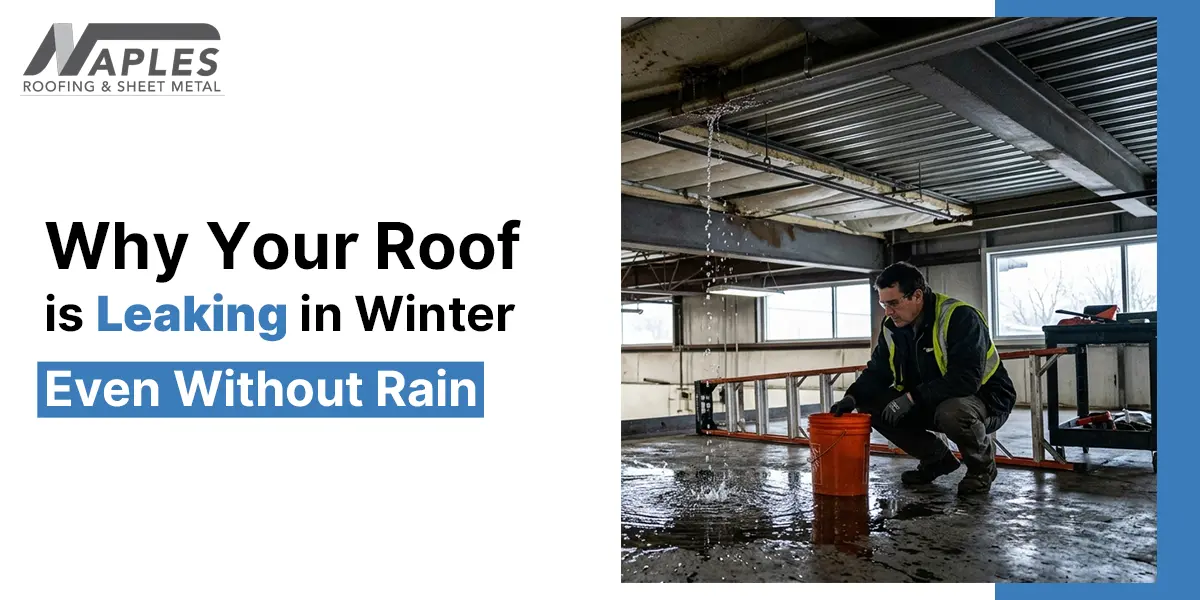
Why Your Roof is Leaking in Winter Even Without Rain
We usually expect a roof to complain during storms. Heavy rain, strong wind, maybe snow piling up. That feels fair. What throws people off is when the drip starts on a quiet winter morning. No rain. No storm. Still, a slow stain spreads across the ceiling. That uneasy moment when you realize something is off, and you cannot quite explain it. That is often where conversations around roof leaking in winter begin, a little confused, slightly delayed and already a bit costly.
When The Cold Itself Starts Working Against Your Roof
Winter does not always break things loudly. It works slowly. Quiet pressure, repeated cycles, small shifts that go unnoticed until they stack up.
Some Solutions Work Quietly In The Background
Midway through a few winter projects, we started paying closer attention to preventive treatments rather than reactive repairs. One approach that stood out was surface protection. Not flashy, not immediate, but effective over time.
A few of our clients mentioned their experience with Naples Roofing after trying different service providers. What stayed consistent in their feedback was how the team looked beyond the visible issue. In one case, instead of focusing only on patching leaks, they suggested roof coating services in Buffalo to create an additional moisture barrier. It felt like a quiet layer of protection that reduces future problems. We have seen similar outcomes. Fewer repeat complaints. Less stress during peak winter months.
Condensation Builds Where You Rarely Look
Warm air inside the house rises. It always does. When it meets a cold roof surface, especially in poorly ventilated attics, it turns into moisture. Over time, that moisture settles into insulation, wood, even nails. It does not drip immediately. It lingers.
We have seen homes where the issue looked like a leak, but it was trapped condensation slowly finding a way out. A study from the U.S. Department of Energy mentions that improper attic ventilation can increase moisture accumulation by over 40 percent during colder months. That number sounds technical until you see what it does to a ceiling.
Ice Dams Are Not Dramatic Until They Are
People imagine ice dams as heavy ridges of ice hanging off the roof edge. Sometimes they are. Often, they are subtle. Snow melts during the day, then refreezes at night. That thin layer of ice blocks proper drainage. Water has nowhere to go. It pushes backward, under shingles, into places it was never meant to reach. The strange part is how normal it looks from outside but nothing feels urgent. Inside, though, the ceiling starts telling a different story.
Small Gaps Cause Problems In Winter
Summer heat expands materials. That tiny crack near flashing or around vents becomes slightly wider. Hence, roof leaking in winter contracts them. Not enough to notice but visually enough to let moisture in.
Flashing And Seals Lose Their Tight Hold
Flashing sits around chimneys, vents, skylights. It is meant to protect the most vulnerable edges. In winter, metal contracts. Sealants harden. That perfect fit from a few months ago loosens a bit. We have come across cases where property owners assumed a major structural issue, but it was simply aging flashing reacting poorly to temperature swings. A small fix, delayed too long.
Older Roofs Show Their Age Faster In Cold Weather
Materials do not fail all at once. They wear out in phases. Winter speeds that up. Shingles become brittle. Adhesives lose strength. The National Roofing Contractors Association has pointed out that roofs over 15 years old are significantly more prone to cold weather damage, especially when maintenance has been irregular. It is not a dramatic statistic, but it reflects what we keep seeing.
What Looks Like A Leak Is Sometimes A Pattern
One isolated spot can be misleading. Repeated damp areas across different rooms usually hint at a broader issue.
Ventilation, Insulation and Roofing Are Connected
People often separate these systems. Roof above, insulation below, ventilation somewhere in between. In reality, they work together. When one fails, the others compensate poorly. We once worked with a property where multiple leaks appeared during winter, all in different areas. It turned out to be uneven insulation causing temperature differences across the roof surface. Snow melted unevenly, refroze unpredictably, and created multiple entry points for water.
It was less about fixing one leak and more about correcting the entire balance.
The Point Where Waiting Starts Costing More
There is always a moment when a minor issue turns into something harder to ignore. Usually, that moment comes late.
Temporary Fixes Rarely Survive The Season
Patching a visible spot from inside might stop the drip for a while. It rarely addresses the source. Winter conditions are persistent. They return every night.
We have noticed that many property owners delay calling for emergency roofing services in Buffalo until the damage becomes visible enough to worry. By then, insulation is already damp, and wood has started absorbing moisture.
Sometimes The Signs Were Always There
Looking back, most winter leaks are not sudden. They are delayed.
Stains, Slight Drafts, Uneven Temperatures
Small ceiling stains that never got checked. A cold corner in the attic. Snow melting unevenly on the roof. These are not urgent signals on their own. Together, they tell a story. We have walked into homes where these signs existed for years. Winter simply brought them to the surface.
Maintenance Is Less About Fixing And More About Noticing
Regular inspections sound routine, maybe even unnecessary until they are not. It is not about climbing up the roof every season. It is about paying attention to patterns. Changes. Small shifts in how the house feels during colder months.
The Quiet Relief Of Getting It Handled Early
There is a certain calm that comes after understanding the issue. Not even after fixing it. Just knowing what caused it. We have seen property owners go from confusion to clarity with something as simple as identifying poor ventilation or minor flashing damage. The repair itself felt secondary. And yes, sometimes it leads to calling for buffalo roof repair, sometimes it does not. The point is knowing.
Why Roof Leaking in Winter Feel More Frustrating Than Others
Maybe it is the timing such as cold weather, shorter days, limited access to quick fixes. Or maybe it is the unpredictability. No rain, yet water appears. It interrupts the sense of control people expect from their homes. We keep hearing the same line, in different ways. “It was fine before winter.” In many cases, it was or at least it seemed that way.
Final Thoughts
Not everything needs urgency. Some things need attention. We have come to see roof leaking in winter less as isolated incidents and more as signals. Indicators of how the roof system responds under stress. Cold stress, moisture stress, time. Some teams approach this differently.
Naples Roofing, for instance, often gets mentioned in conversations where property owners felt heard rather than rushed into decisions. It shows how solutions are explained, not pushed. That kind of approach stays with people. Maybe that is what most property owners are looking for during winter.