
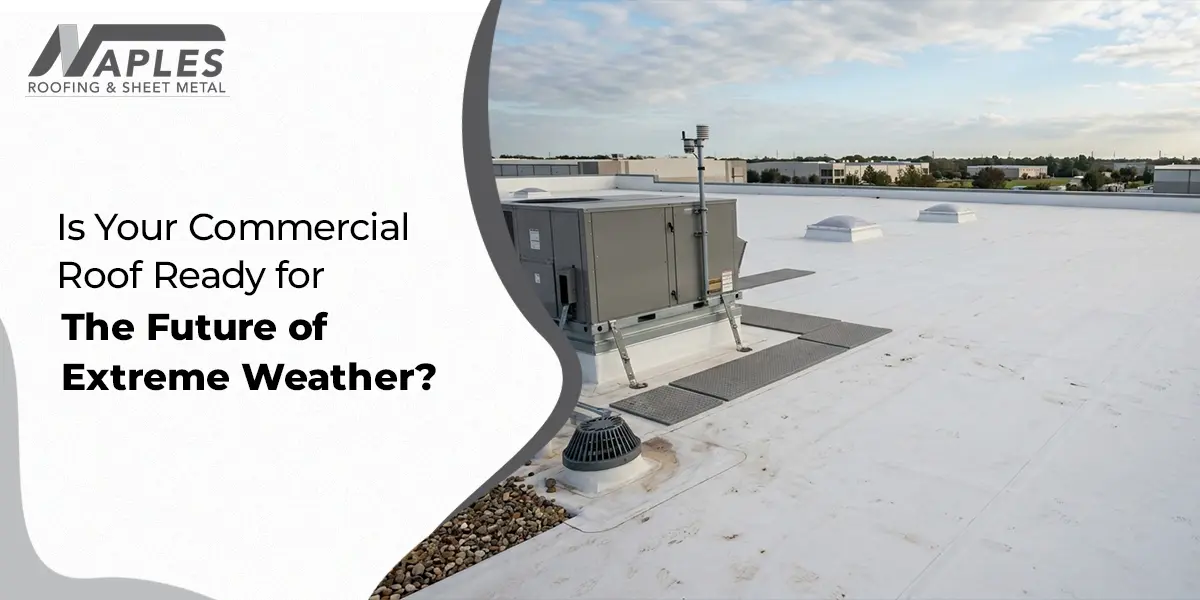
Is Your Commercial Roof Ready For The Future Of Extreme Weather?
There is a moment most building owners remember. It usually happens after the second or third storm of the season. The first one feels manageable. The second raises a few questions. By the third, something feels off. Water where it should not be. A smell that lingers longer than it should. A small worry that refuses to stay small.
We have seen this pattern play out across properties, especially in regions dealing with commercial roofing in Buffalo, where weather does not stay predictable for long. One season blends into another without warning. Heat, then sudden rain. Long winters, then storms that feel stronger than before. Roofs that were built for a different time now carry a different kind of pressure and it shows.
Extreme Weather Does Not Arrive Loudly At First
Most people expect damage to be dramatic. Torn sections, visible cracks, something obvious. That would be easier to deal with. What we see more often is quieter. Edges lifting slightly. Drainage slowing down. Materials expanding and shrinking in ways they were never designed to handle repeatedly. It feels small. It rarely is.
Small Shifts In Temperature, Big Shifts In Stress
A roof expands during heat. Contracts during cold. This has always been true. What has changed is how often this cycle repeats in shorter time frames. A week of warmth followed by sudden freezing nights. Then back again. We walked on rooftops where seams looked fine from a distance. Up close, you could feel the tension. A slight separation almost like the material was tired.
Water Behaves Differently Now
Rain used to follow patterns. Now it lingers, pools, moves unpredictably. Drainage systems designed years ago struggle to keep up. Standing water stays longer. That changes everything. A roof is not designed to hold water even for a short time.
The Weak Spots Extreme Weather Always Finds
Storms do not create problems from scratch. They expose what was already there. Weak insulation, aging membranes, poor installation from years ago. Everything becomes visible when conditions push harder.
Repairs That Keep Repeating
We have noticed a pattern. The same area gets repaired every season. The same complaints come back. It turns into a cycle. Patchwork fixes that feel sufficient at the moment but do not hold up. That is usually a sign of something deeper.
Materials That Were Never Meant For This Climate Shift
There was a time when certain roofing materials worked well enough. Conditions were more stable. Today, those same materials struggle. They break down faster. Lose flexibility. Crack under pressure. It is less about failure and more about mismatch. The environment changed. The roof did not.
Extreme Weather Changes How Decisions Are Made
There is a shift happening in how building owners think. Earlier, roofing decisions were reactive. Fix what breaks. Replace when needed. Move on. That approach feels heavier now.
Planning Starts Earlier Than Expected
People are asking questions sooner. Not after damage, but before. They want to understand lifespan, resilience, how a roof behaves under stress that did not exist a decade ago. We have had conversations where the roof looked fine on the surface, yet the concern was already there. That’s a kind of quiet awareness.
Conversations Feel More Practical
There is less interest in quick solutions. More focus on systems that hold up. Proper drainage design. Stronger membranes. Better insulation layers. Details that were often overlooked earlier. It feels less like maintenance and more like preparation.
Why Maintenance Feels Different Under Extreme Weather
Maintenance used to be routine. Scheduled checks, occasional repairs. It felt predictable but now it feels more like monitoring something that changes faster than expected.
Inspections Are No Longer Casual
A quick glance does not tell the full story anymore. Deeper inspections matter. Checking layers beneath the surface. Looking at how water flows, where it collects, how long it stays. We have seen minor issues caught early that would have turned serious within months.
Timing Matters More Than Ever
Delays used to be manageable. A small issue could wait. That window feels shorter now. What could wait for weeks earlier may need attention within days. It is not about urgency for the sake of it. It is about how quickly conditions can shift.
The Quiet Difference Between Replacing And Upgrading
There is a difference that often gets missed. Replacing a roof with the same system is not always an upgrade. It is repetition. Upgrading means adapting.
Systems Built For Current Conditions
We are seeing more interest in systems designed to handle fluctuation. Materials that stay flexible. Better resistance to pooling water. Improved insulation that handles both heat and cold effectively. It is less about following trends and more about matching reality.
Thinking Beyond The Immediate Problem
A leak gets fixed. That is the immediate win but the larger question remains. What caused it? Will it happen again under similar conditions? Some conversations now go deeper. Looking at the structure as a whole. Not just the damaged section.
Extreme Weather Has Already Changed Expectations
People expect more from their roofs now. Quietly, without always saying it. They want reliability, less uncertainty and fewer surprises after every storm.
Less Tolerance For Repeated Issues
There was a time when recurring problems were accepted. Part of owning a building. That mindset is fading. Repeated issues feel like missed opportunities to fix things properly the first time.
A Shift Toward Long Term Thinking
Short term savings feel less convincing when repairs keep returning. Investing in better systems upfront is starting to make more sense to many. We have seen property owners who once preferred quick fixes now asking for more durable solutions.
What We Have Observed On The Ground
Working across different properties, patterns begin to repeat. Certain decisions lead to fewer issues. Certain oversights always come back. Some building owners we spoke with mentioned their experience with teams similar to the approach at Naples Roofing. They noticed the difference in how inspections were handled with more time spent understanding the structure and fewer assumptions.
It stood out because it felt careful. We have seen cases where property managers reached out after multiple failed fixes elsewhere. The shift was subtle like more attention to detail and less rushing. That alone changed outcomes over time.
The Role Of Experienced Commercial Roofers In USA
The role of experienced commercial roofers in USA shows in small things. How someone walks on a roof. Where they pause. What they look for without being told. It is easy to focus on materials and systems. Harder to notice the human side of it. The judgement was built over years. That often makes the difference between a temporary fix and a lasting solution.
A Familiar Frustration, Still Unresolved
There is something frustrating about dealing with the same problem again and again. Climbing up after every storm. Checking the same spots. Hoping this time holds. It rarely feels efficient. Toward the end of many of these conversations, someone usually mentions they wish they had approached it differently earlier. Take a more thorough route. Worked with experienced commercial roofing contractors in buffalo who look beyond the surface and think a few seasons ahead.
We understand that feeling because by the time Extreme Weather becomes part of everyday conversation, the roof has already been through more than it was built for. And the small signs, the ones that seemed easy to ignore, start asking for attention all at once. It does not happen suddenly. It builds quietly and then it stays.