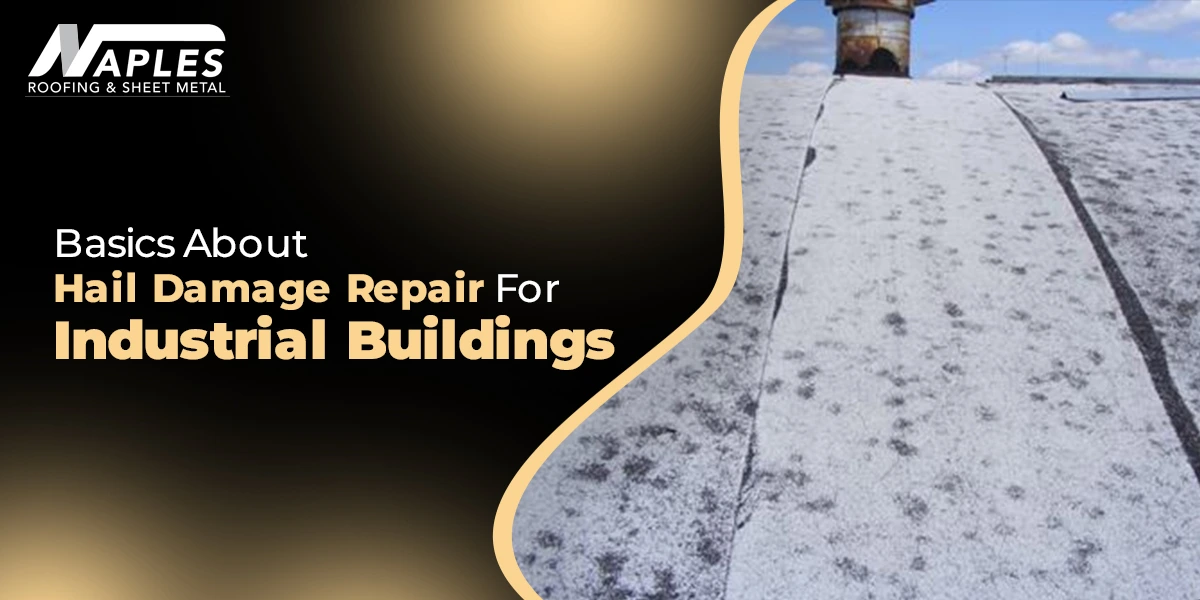
Basics About Hail Damage Repair For Industrial Buildings
Hailstorms can severely damage industrial buildings, especially their roofs. The size and force of hailstones often lead to dents, cracks, or leaks. For property owners, industrial building hail damage can result in major repair costs and business disruptions. Knowing the basics of hail damage repair helps in fast recovery and protects your investment.
What Is Hail Damage in Industrial Buildings?
Hail damage affects metal roofs, flat membranes, skylights, and other building parts. Industrial buildings often have large roof areas, making them more vulnerable. When hail strikes, it can weaken the roof’s structure, allowing water to seep in. Even small hailstones can cause big problems over time.
Why Hail Damage Repair Matters
Hail damage repair is not just about patching holes but also prevents larger issues like mold, insulation loss, or roof collapse. Addressing damage in time helps to avoid expensive repairs. It also keeps your building safe and compliant with codes.
Signs of Hail Damage on Industrial Buildings
Look for these signs after a hailstorm:
- Visible dents or cracks:
Hailstones often leave noticeable dents on metal roofing panels or crack skylights and vent covers. These visible marks are usually the first signs of roof impact. - Loose or missing roofing material:
Roofing membranes, tiles, or panels may get torn, loosened, or completely blown off due to hail and accompanying winds, leading to exposure and water damage. - Water stains on walls or ceilings:
Brown or yellow stains indoors usually point to roof leaks caused by small hail punctures. These leaks worsen with time if not addressed quickly. - Clogged or damaged drainage systems:
Gutters, scuppers, and downspouts may fill with hail or debris or become bent and split, leading to pooling water on the roof. - Damaged rooftop equipment:
HVAC units, solar panels, and exhaust fans can get cracked or dented, reducing their efficiency and requiring replacement parts or servicing.
If you notice any of these, call a professional for inspection.
How to Begin the Hail Damage Repair Process
1. Schedule a Roof Inspection Immediately
Right after the storm, arrange for a full roof inspection. An expert can assess the damage and document it. This step is crucial for insurance claims.
2. File an Insurance Claim
If you have storm damage coverage, contact your insurer quickly. Provide them with inspection reports and photos. A smooth claim process helps speed up hail damage repair.
3. Work With a Specialized Roofing Contractor
Hire an industrial roofing company buffalo that handles hail damage repairs. They study local weather patterns and the needs of industrial roofing. Choose contractors with insurance, certifications, and solid references.
Common Hail Damage Repair Methods
1. Roof Patching and Sealing
Small dents or tears can often be patched using special materials like EPDM patches or silicone sealants. This stops leaks and adds a layer of protection until full repair is done.
2. Membrane Replacement
If a section of the roofing membrane is punctured or torn beyond patching, it is cut out and replaced with new material. Seams are carefully sealed to restore waterproofing.
3. Panel Replacement for Metal Roofs
When metal roofing panels are deeply dented or show cracks, full replacement ensures safety and prevents future issues like rust or leaks. Panels are matched for appearance.
4. Gutter and Flashing Repair
Flashing protects joints and edges from leaks, while gutters channel water away. Hail can crack or bend both, so repairs focus on restoring their function to prevent water intrusion.
Preventing Future Hail Damage
Install Impact-Resistant Materials
Use roofing materials rated for hail resistance. These materials can reduce future warehouse building hail damage and improve your building’s lifespan.
Add Protective Coatings
Coatings strengthen the surface and shield it from impact. They also protect properties against UV rays and hence improve energy efficiency.
Maintain Roof Drainage
Ensure that drains, gutters, and scuppers are clear. Good drainage reduces water buildup and structural stress.
Get Regular Roof Inspections
A biannual inspection helps catch damage before it spreads. Schedule inspections in spring and fall and also positively after every major storm.
What to Expect From a Professional Hail Damage Repair Service
Hail damage repair specialists offer full-service solutions. Here’s what they usually provide:
- Free inspections with detailed damage reports:
Professionals assess the full extent of the damage and provide a written summary, complete with photos, to support insurance claims and repair decisions. - Insurance coordination to help you with paperwork:
Many roofing contractors help property owners file insurance claims by dealing directly with adjusters and submitting needed documentation. - On-time repair schedules to reduce downtime:
Reliable contractors set clear project timelines, complete repairs efficiently, and minimize business disruption during the process. - Warranty-backed services for peace of mind:
Quality roofing companies offer warranties on materials and labor, ensuring that you’re protected against future issues.
Choosing the Right Contractor for Industrial Roof Repair
When it comes to industrial building hail damage, always work with professionals. Here are the advantages you should look for:
- Experience with industrial roofs:
Contractors must understand complex systems like TPO, EPDM, or metal roofing, which are commonly used in warehouses and manufacturing buildings. - Local knowledge:
A contractor who understands Buffalo’s weather patterns can suggest better materials and anticipate common storm-related issues. - Emergency response services:
Fast help after a storm is essential to prevent further water damage. Choose a team that offers 24/7 emergency roof tarping or quick inspections.
Benefits of Acting Fast After a Hailstorm
- Saves money:
Minor damage costs less to fix than major structural issues. Early action prevents leaks from spreading. - Protects inventory:
Water damage can ruin goods stored inside the building. Repairs help protect your stock and equipment. - Ensures safety:
A damaged roof poses a safety hazard to employees. Fixing it keeps everyone inside the building safe. - Preserves building value:
Prompt repairs maintain the property’s worth and appearance, which is important for resale or leasing.
Maintenance Tips After Hail Damage Repair
- Keep the roof clean and clear of debris:
A clean roof helps spot issues early and ensures water can drain properly. - Inspect repairs after each storm season:
Checking past repairs ensures they are holding up and not showing new signs of damage. - Set reminders for annual roof check-ups:
Scheduled inspections help maintain the roof’s warranty and catch new problems early. - Document all maintenance for future insurance needs:
Keeping records supports claims and ensures smoother approvals.
Conclusion
Dealing with hail damage repair can be stressful, but it doesn’t have to be overwhelming. Acting fast, choosing the right contractor, and using quality materials can make the process smooth. If you’re facing industrial building hail damage, now is the time to inspect and repair. It’s the best way to avoid future costs and protect your business.
Trust Naples Roofing for Reliable Hail Damage Repair
Naples Roofing is a trusted industrial roofing company in Buffalo with over 45 years of experience. We specialize in roof inspections, hail damage repairs, and replacements. Our skilled team uses high-quality materials to ensure durable, long-term protection. Call Naples Roofing today for a free inspection, and let us help you protect your industrial roof from future hailstorms.