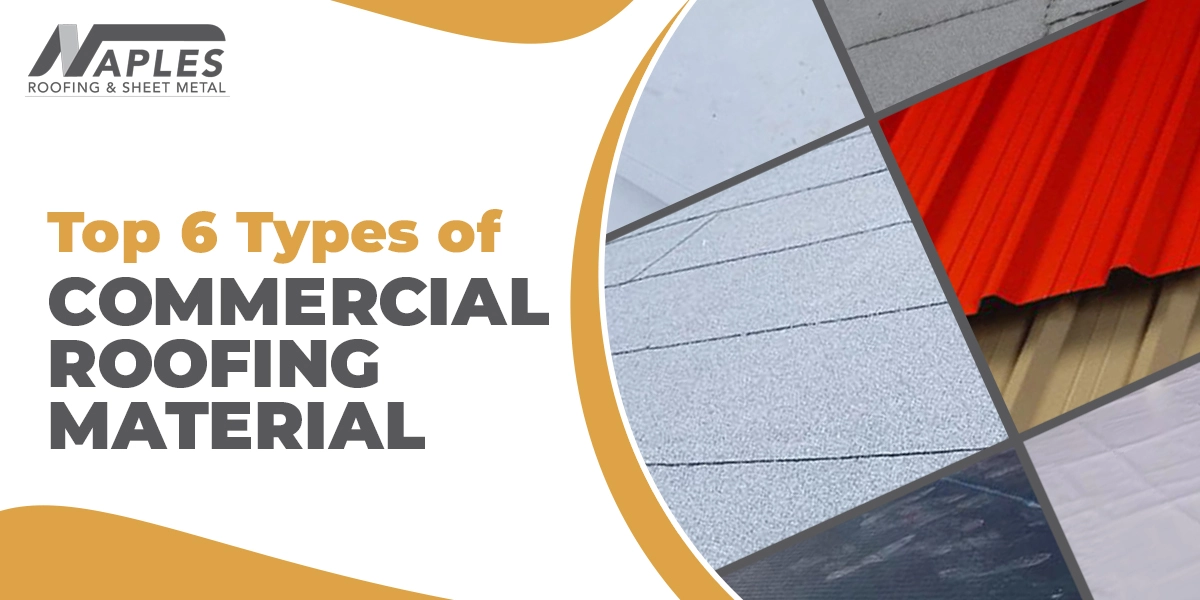
Top 6 Types of Commercial Roofing Material
A durable roof is a key part of any commercial property. It protects the building, people, and business operations. Therefore, selecting the right commercial roofing material is not just important—it’s essential. When it comes to quality and long-term value, commercial roofers in USA offer various options tailored to climate, building structure, and budget.
In this blog, you will learn about the top six commercial roofing material and why they stand out in the market.
Why Choosing the Right Commercial Roofing Material Matters
Every commercial roof must stand up to harsh weather, frequent foot traffic, and long-term wear. Whether it’s an office, factory, or retail store, your roof needs to handle pressure and protect assets. Thus, choosing the right material makes a difference in energy savings, maintenance frequency, and property value.
For that reason, working with experienced professionals is critical. The right advice today can save thousands of dollars later.
1. TPO (Thermoplastic Polyolefin)
TPO is a white, single-ply roofing membrane. It is one of the most used materials in commercial roofing USA because it is affordable and efficient.
- Energy Efficiency
TPO reflects sunlight and keeps indoor temperatures stable. As a result, it reduces the load on HVAC systems, helping businesses cut energy bills by up to 30%. It’s especially effective in hot climates. - Durability
TPO roofs resist tears, mold, punctures, and UV damage. Additionally, they can handle temperature shifts and heavy rooftop activity without degrading quickly. - Easy Installation
Roofers install TPO using hot-air welding. This method creates seamless joints and speeds up the project timeline, saving money on labor and materials.
Therefore, TPO is ideal for warehouses, retail stores, and office buildings where cost control and energy performance are top priorities.
2. EPDM (Ethylene Propylene Diene Monomer)
The EPDM is a black rubber roofing membrane that offers flexibility and resistance to the elements.
- Weather Resistance
EPDM holds up well in harsh weather. It performs well in snow, heavy rain, hail, and extreme heat. Moreover, itts strong membrane prevents damage from UV rays and ozone. - Low Maintenance
EPDM roofs need little care. Typically, regular inspections and minor patchwork are usually enough to keep them in great condition. - Longevity
Properly installed EPDM roofs last 25–30 years. In some cases, they even go beyond 35 years with scheduled maintenance and occasional recoating.
Consequently, EPDM works well for flat roofs or buildings in areas with changing seasons.
3. Modified Bitumen Roofing
Modified bitumen roofing combines asphalt with rubber or plastic to boost performance. It’s commonly used on low-slope and flat roofs.
- Multi-layer Protection
The material is applied in layers for strength and leak protection. It includes base sheets, cap sheets, and reinforcement, offering excellent durability. - Tear Resistance
This roofing type handles mechanical stress and foot traffic better than many others. Hence, it’s ideal for buildings with HVAC units, vents, or solar panels. - Insulation Options
Modified bitumen roofing allows for added insulation layers. These layers help control heating and cooling costs throughout the year.
It’s a trusted solution for hospitals, schools, and high-use commercial buildings.
4. PVC (Polyvinyl Chloride)
PVC is a white or light-colored single-ply membrane made from plastic. It’s common in buildings where chemicals or grease are used.
- Chemical Resistance
PVC stands up to chemical spills, grease buildup, and oily substances. This makes it perfect for restaurants, food production, and laboratories. - Fire Retardant
It meets top fire safety standards. PVC slows fire spread and thus increases the building’s safety rating. - Seam Strength
Welded seams create a durable and watertight seal. These strong bonds reduce the chances of leaks and extend the roof’s lifespan.
Therefore, PVC is a strong, long-term investment for high-performance environments.
5. Metal Roofing
Metal roofs are durable, recyclable, and visually appealing. They suit both sloped and low-slope commercial buildings.
- Longevity
Metal roofs last 40 to 60 years. They resist corrosion, impact, and fire, offering long-term protection with minimal issues. - Lightweight
Metal is lighter than other roofing systems. This reduces load stress on the structure and allows for quicker installation. - Eco-Friendly
Metal commercial roofing material are generally made from recycled metal. They are also 100% recyclable after their lifespan, making them a green roofing choice.
Metal roofing is widely used in manufacturing units, agricultural buildings, and retail centers.
6. Built-Up Roofing (BUR)
BUR systems are among the oldest commercial roofing methods. They use layers of asphalt and felt, topped with gravel.
- Strong Waterproofing
BUR provides reliable protection against water infiltration. The multiple layers act as barriers, stopping leaks even after years of exposure. - UV Protection
The gravel top reflects sunlight. This helps reduce heat absorption and lowers indoor temperatures during summer. - Budget-Friendly
BUR systems cost less per square foot, especially on large roofs. This makes them a great option for property owners with tight budgets.
BUR is a reliable choice for schools, airports, and government buildings that require a strong and affordable solution.
How to Choose the Right Commercial Roofing Material
Before selecting a roofing system, consider these important points in case of commercial roofing material:
- Roof slope
Some materials work better on flat roofs (like TPO and BUR), while others (like metal) are great for sloped surfaces. - Climate and weather
Choose a roof that performs well in your region’s weather. EPDM works in cold zones, while TPO and PVC are best for hot areas. - Building usage
Roofs in food or chemical environments need grease- and chemical-resistant materials like PVC. - Traffic and load
If your roof holds equipment, pick a durable, reinforced system like modified bitumen or BUR. - Budget and lifespan
While some roofs cost more to install, they save on maintenance. Weigh upfront costs with total life-cycle value.
With help from experienced roofing companies in USA, you can make the right choice. Most companies also provide inspections and custom solutions based on your needs.
Final Thoughts: Make the Right Roofing Investment
Your roof is one of your business’s biggest assets. Selecting the right material will protect that investment for decades. Whether you pick TPO for energy savings or metal for long life, a proper choice ensures performance and peace of mind.
To avoid future repairs, always consult certified professionals. Leading roofing companies in USA can guide you from inspection to installation, ensuring quality at every step.
Get Expert Roofing Help from Naples Roofing
If you are looking for trusted roofing experts, choose Naples Roofing. We serve businesses of all sizes across the country. Our team offers full-service solutions, including inspections, installation, repair, and replacement.
At Naples Roofing, we work with top commercial roofing material and use skilled labor to deliver unmatched quality. Whether your roof needs a refresh or full replacement, we’re here to help.
Contact Naples Roofing today and get a free quote for your next commercial roofing project. Let us help you protect what matters most—your business.